
Spring Vegetable Garden Tasks: When to Plant Cool-Season Crops (Zone 5ish Planting Guide)
Updated: May 6
Wondering what to plant in early spring and when to plant cool-season vegetables? A successful spring vegetable garden starts with a few simple tasks and a clear planting timeline.

Cool-season crops are among the easiest vegetables to grow. They often yield the first harvests of the year. With the right preparation and a step-by-step schedule, you can plant confidently. Enjoy fresh greens, roots, and brassicas long before summer arrives!
This guide covers:
Essential spring vegetable garden tasks
What vegetables to direct sow vs. transplant
A Zone 5 planting timeline for cool-season crops
Tips for ongoing spring garden care
(Timing is based on cold-climate regions similar to USDA Zone 5. Adjust slightly for your local frost dates.)
Early Spring Vegetable Garden Tasks
Begin garden prep once the soil is workable—no longer frozen and not overly wet. Here’s what you need to do:
Remove old plant debris and weeds.
Add 1–2 inches of compost.
Lightly loosen the soil surface.
Check irrigation or watering access.
Review seed packets (actually read them!) and planting dates.
Create a simple garden layout; sketch out on a piece of paper—nothing fancy!
Working with wet soil leads to compaction. If the soil forms a sticky clump, wait a few days before planting. Your seeds might not germinate and could rot before sprouting!

What Are Cool-Season Vegetables?
Cool-season vegetables thrive in mild temperatures and tolerate light frost. Most grow best when soil temperatures range between 40–65°F.
Common cool-season crops include:
Peas
Spinach
Kale
Lettuce
Radishes
Broccoli
Cabbage
Arugula
Direct Sow vs. Transplant: How to Plant Spring Vegetables
Vegetables to Direct Sow in Spring
These crops prefer being planted directly in garden beds:
Peas
Radishes
Carrots
Spinach
Arugula
Vegetables to Transplant in Spring
These grow best from indoor-started seedlings or purchased transplants:
Broccoli
Cabbage
Cauliflower
Kale

Zone 5 Spring Planting Timeline for Cool-Season Crops
Using weeks before your average last frost date provides more reliable timing than calendar dates. In many Zone 5 areas, the last frost occurs around mid-May.
6–8 Weeks Before Last Frost
| Direct Sow Outdoors | Start Seeds Indoors | Garden Tasks |
|---------------------|---------------------|---------------|
| Peas | Broccoli | Prep beds |
| Spinach | Cabbage | Plan crop layout |
| Radishes | | |
4–6 Weeks Before Last Frost
| Direct Sow Outdoors | Transplant Outdoors | Garden Tasks |
|---------------------|---------------------|---------------|
| Carrots | Onion sets or seedlings | Thin seedlings |
| Beets | | Protect crops with row cover if needed |
| Lettuce | | |
2–4 Weeks Before Last Frost
| Direct Sow Outdoors | Transplant Outdoors | Garden Tasks |
|---------------------|---------------------|---------------|
| Additional lettuce | Broccoli | Harden off seedlings |
| Carrots | Cabbage | Apply light mulch |
| Peas | Kale | |
Around Your Last Frost Date
| Direct Sow Outdoors | Garden Tasks |
|---------------------|---------------|
| Final spring successions of greens | Install trellises |
| Carrots | Begin planning warm-season crops |
Succession Planting for Continuous Harvests
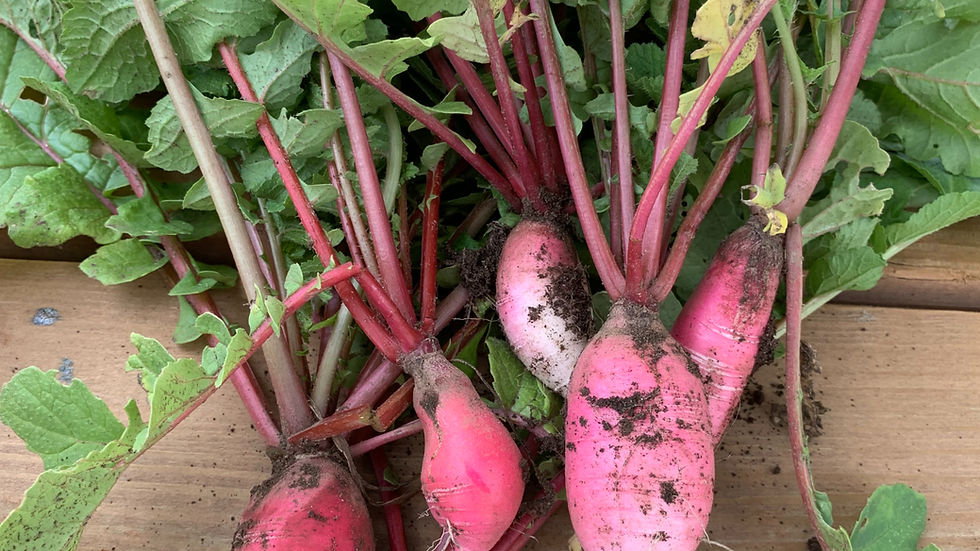
Plant small amounts of fast-growing crops every 1–2 weeks. This method provides steady harvests and prevents having too much produce at once. It's hard to eat 20 radishes in one sitting...unless they are roasted!
Best crops for succession planting:
Lettuce
Spinach
Radishes
Arugula
Carrots
Spring Vegetable Garden Maintenance Tips
Water consistently; not a soggy bed. Do the finger test!
Harvest regularly; the more you harvest, the more will grow!
Remove damaged leaves.
Monitor for pests.
Cover plants during cold snaps.
Healthy soil and compost at planting time usually provide enough nutrition for cool-season crops.
Start Small and Build Confidence
You don’t need to plant everything at once, as hard as it is! Choose a few favorite crops, follow the timeline, and expand over time. Consistent, simple actions lead to the best results, I promise!
Want Help Planning Your Spring Garden?
Heirloom Kitchen Gardens offers in-person and virtual garden consultations to help you plan, plant, and grow a productive vegetable garden with ease. Together, we’ll create a personalized planting plan that fits your space and schedule.
Let’s make gardening easy and joyful for everyone!


Comments